The first row is for desktop, and second row is for Tab and Mobile. You can right click on this text and use Navigator for easy editing. This text message is hidden on all screens using Advanced/responsive tab on left.
Methods for Reducing Phytic Acid in Wheat Bran
.
.
.
Methods for Reducing Phytic Acid in Wheat Bran
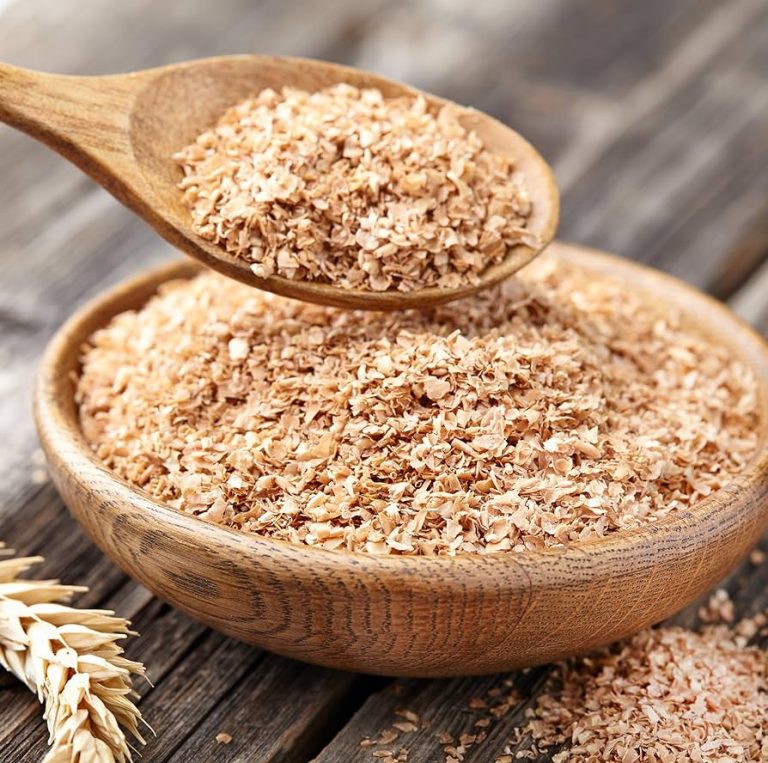
Wheat bran is a valuable source of phytochemicals such as plant sterols, dietary fibers, and phenolic compounds. However, its application in bakery products faces challenges due to the presence of anti-nutritional compounds like phytic acid.
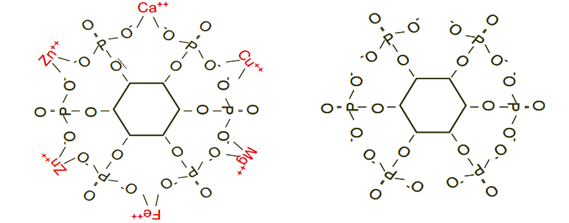
Research indicates that phytic acid inhibits the absorption of zinc, iron, and calcium from food. It forms electrostatic bonds with these minerals, reducing their bioavailability. The excretion of calcium, iron, and other minerals from the body can lead to issues such as osteoporosis, anemia, and various other health problems. Moreover, phytic acid is relatively heat-resistant and does not break down at typical bread-baking temperatures. In fact, toasting bread has been shown to enhance its ability to bind with additional minerals.
Today, several methods exist to eliminate or reduce phytic acid in diets. These include appropriate fermentation using yeast or lactic acid bacteria. Other methods to reduce phytic acid content involve the use of enzymes, malt addition, bran washing, and hydrothermal processing.
During fermentation, the enzyme phytase is produced, which facilitates the hydrolysis of phytic acid. This breaks phytic acid down into inositol and phosphate, thereby eliminating its potential to form harmful bonds. Phytase is essentially an esterase enzyme capable of hydrolyzing phytic acid. Phytic acid is an inositol hexaphosphoric acid that converts into inositol and phosphoric acid after hydrolysis.
Structure of Phytic Acid in its Free Form (Right) and Bound to Cations (Left)
Source:
Parisa Parsa, Mostafa Mozaffari Tehrani, 2019. “Review of Methods for Reducing Phytic Acid and Improving Nutritional Properties of Wheat Bran.” 3rd International Conference on Food Science and Industry, Organic Agriculture, and Food Security.